

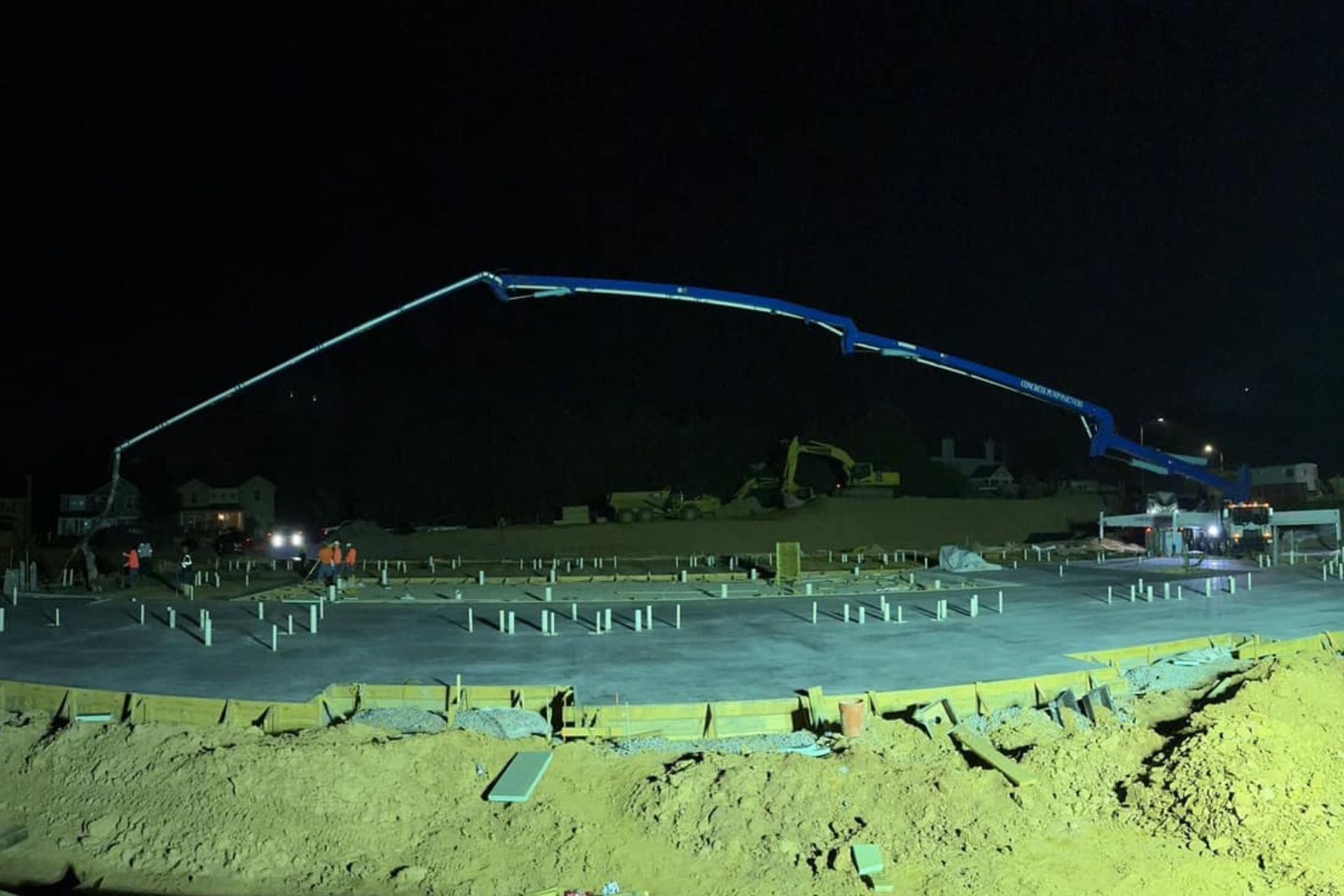
A finished concrete surface is only as reliable as what sits beneath it. In commercial construction, subgrade preparation is one of the most important steps in creating concrete that can handle traffic, weather, and daily use.
When the base is unstable, uneven, too wet, or poorly compacted, the concrete above it is more likely to settle, crack, or fail prematurely. That is why experienced commercial concrete contractors pay close attention to the conditions below the slab before placement begins.
Commercial Loads Are Different
Shopping centers, gas stations, retail properties, and multifamily communities all experience heavier and more frequent use than many residential surfaces. Vehicles turn, stop, park, and load in concentrated areas. Pedestrians follow the same paths every day. Service trucks use dumpster pads and loading zones repeatedly.
What Good Preparation Includes
- Removing unsuitable material from the work area.
- Establishing proper grades for drainage and elevations.
- Compacting the subgrade to create a stable base.
- Using appropriate stone or base material where needed.
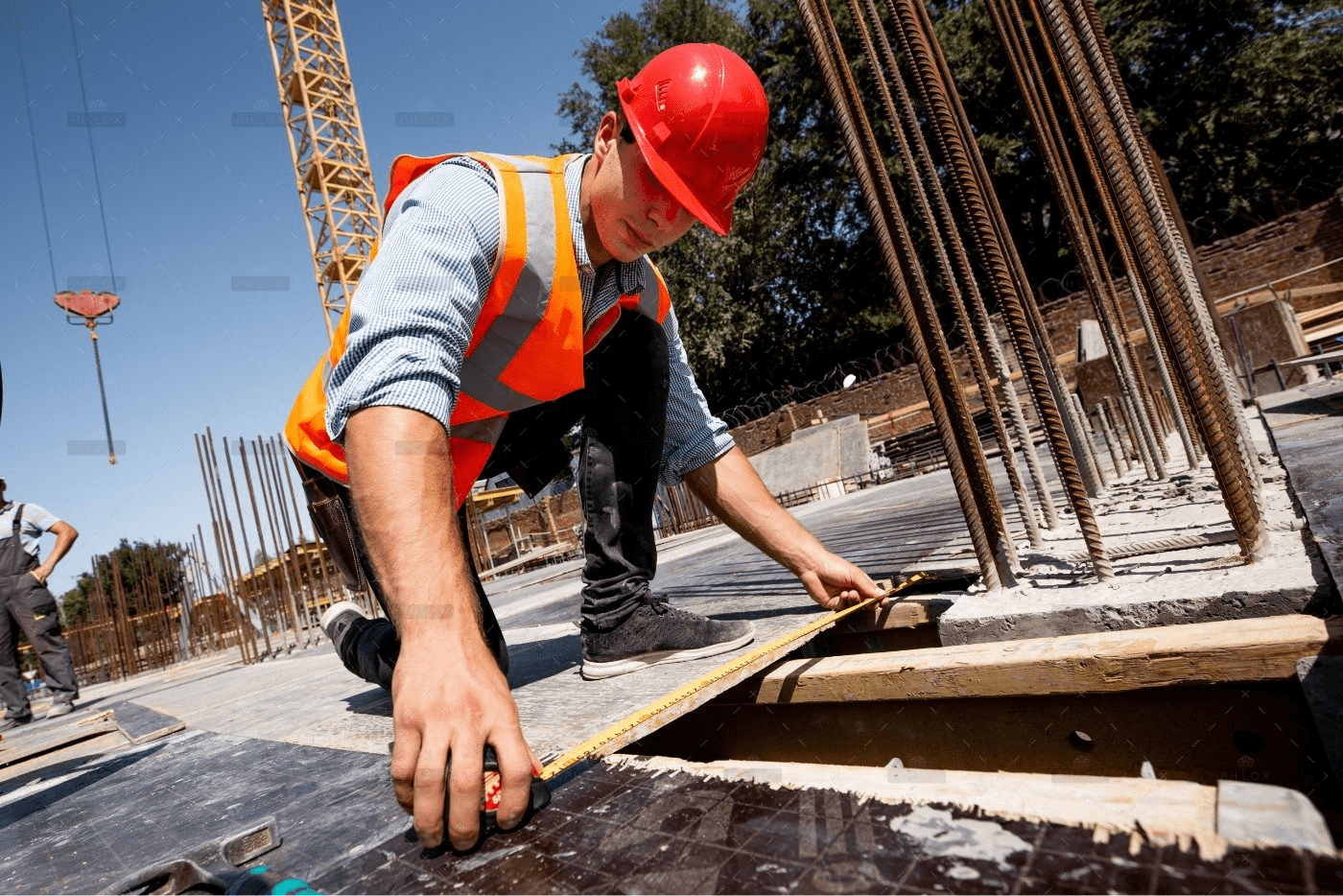
- Checking forms, thickness, and reinforcement before placement.
Reducing Future Problems
Cracks can happen in concrete, but many avoidable problems begin with poor preparation. A strong base helps the slab perform more consistently and reduces the risk of settlement, ponding, edge failure, and uneven surfaces.
For commercial property owners, the value of concrete is measured over time. Investing attention in the subgrade helps create a better finished product and fewer disruptions after the project is complete.