

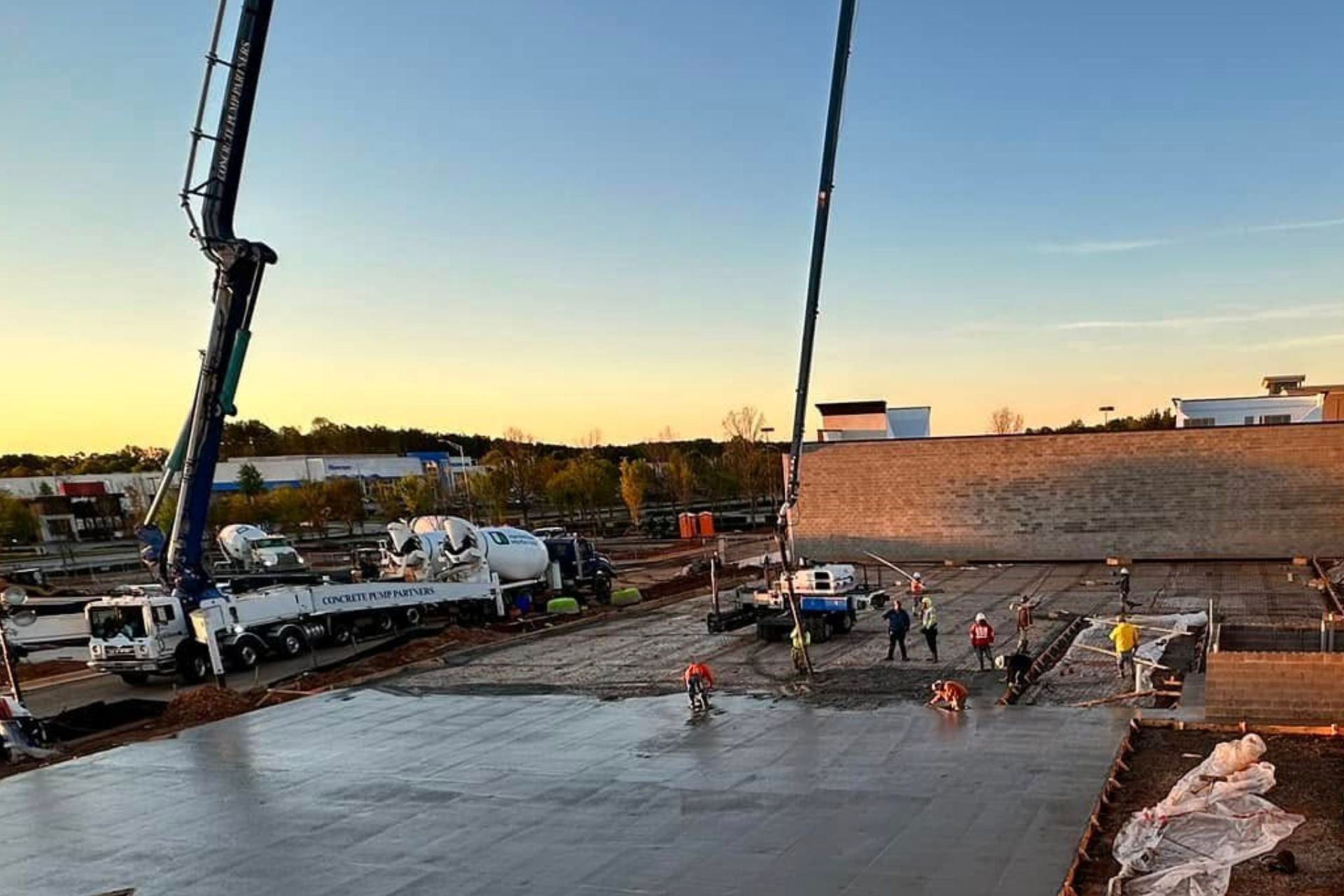
Control joints help manage cracking and contribute to a cleaner, more predictable finished slab.
For commercial properties such as multifamily communities, shopping plazas, retail centers, gas stations, and service businesses, concrete is part of how the site functions every day. A well-planned scope helps support safety, access, curb appeal, and long-term performance.
Why This Matters for Commercial Sites
Commercial concrete often has to handle more traffic, tighter schedules, and more coordination than smaller projects. Owners and general contractors should think through how each surface will be used, who needs access, and how the work will connect with existing site conditions.
Key Items to Review
- Plan joint spacing before concrete placement.
- Align joints with layout and traffic expectations.
- Use proper timing and methods for saw-cut or tooled joints.
Built for Daily Use
The best concrete work is not only clean on day one. It is prepared, placed, and finished with the property’s daily use in mind. That includes base preparation, drainage, access, joint layout, finishing, and communication throughout the project.
Caliber Concrete Company provides commercial concrete solutions for projects across Florida, South Carolina, Georgia, North Carolina, Tennessee, and Alabama.