

Commercial slabs should be designed and installed with base conditions, loads, joint layout, and drainage in mind.
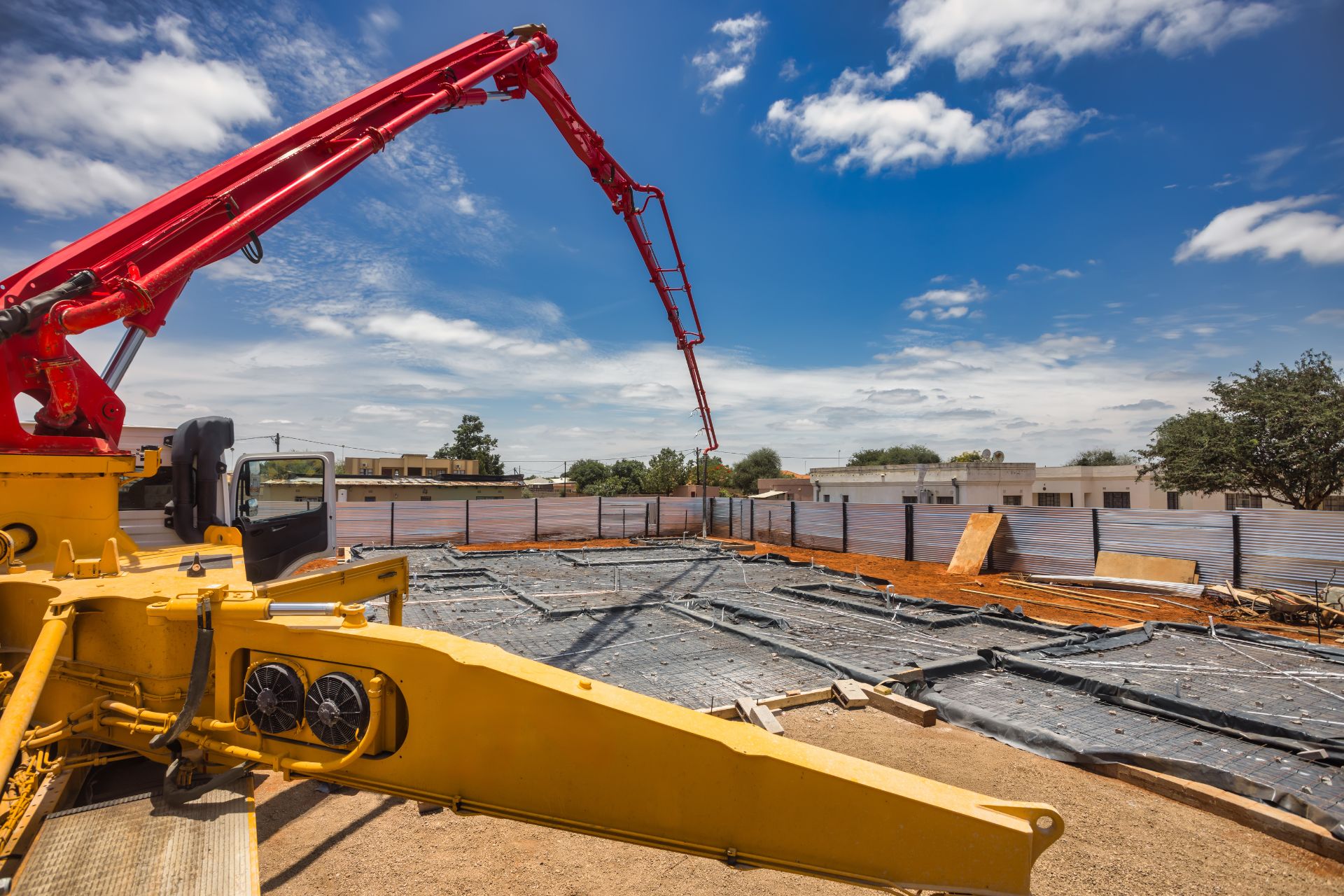
Commercial slabs should be designed and installed with base conditions, loads, joint layout, and drainage in mind.

Year-end is a good time for commercial property owners to review concrete conditions, budget upcoming improvements, and plan next year’s site work.
Regular concrete walkthroughs help commercial property owners spot issues early and plan repairs before they become larger disruptions.

Concrete improvements at active properties require careful phasing so tenants, customers, residents, and vendors can continue using the site.
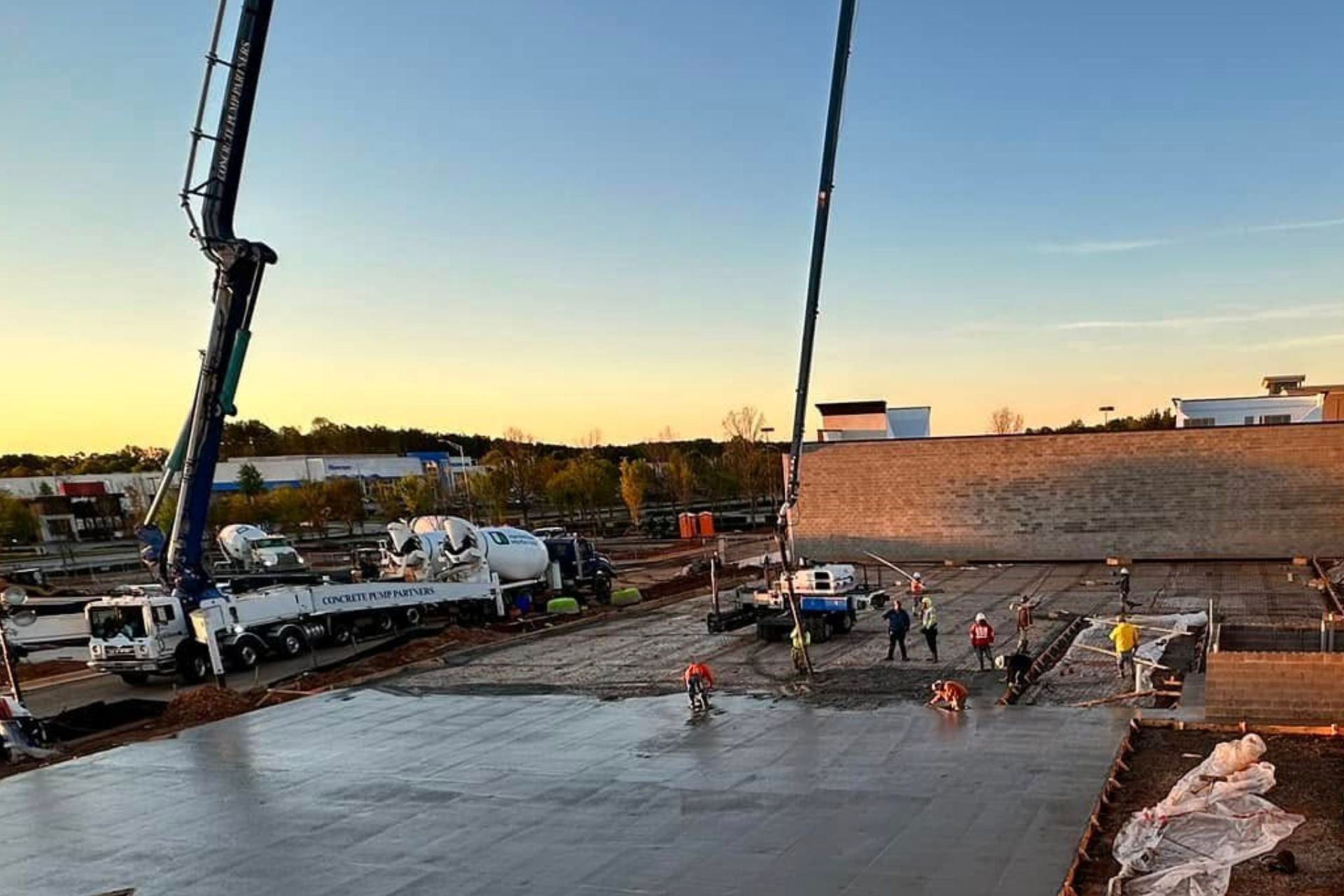
Convenience stores and fuel sites require concrete that can handle frequent vehicle movement, customer traffic, and operational demands.

Loading zones and delivery areas place repeated stress on concrete and should be planned for durability, drainage, and vehicle access.
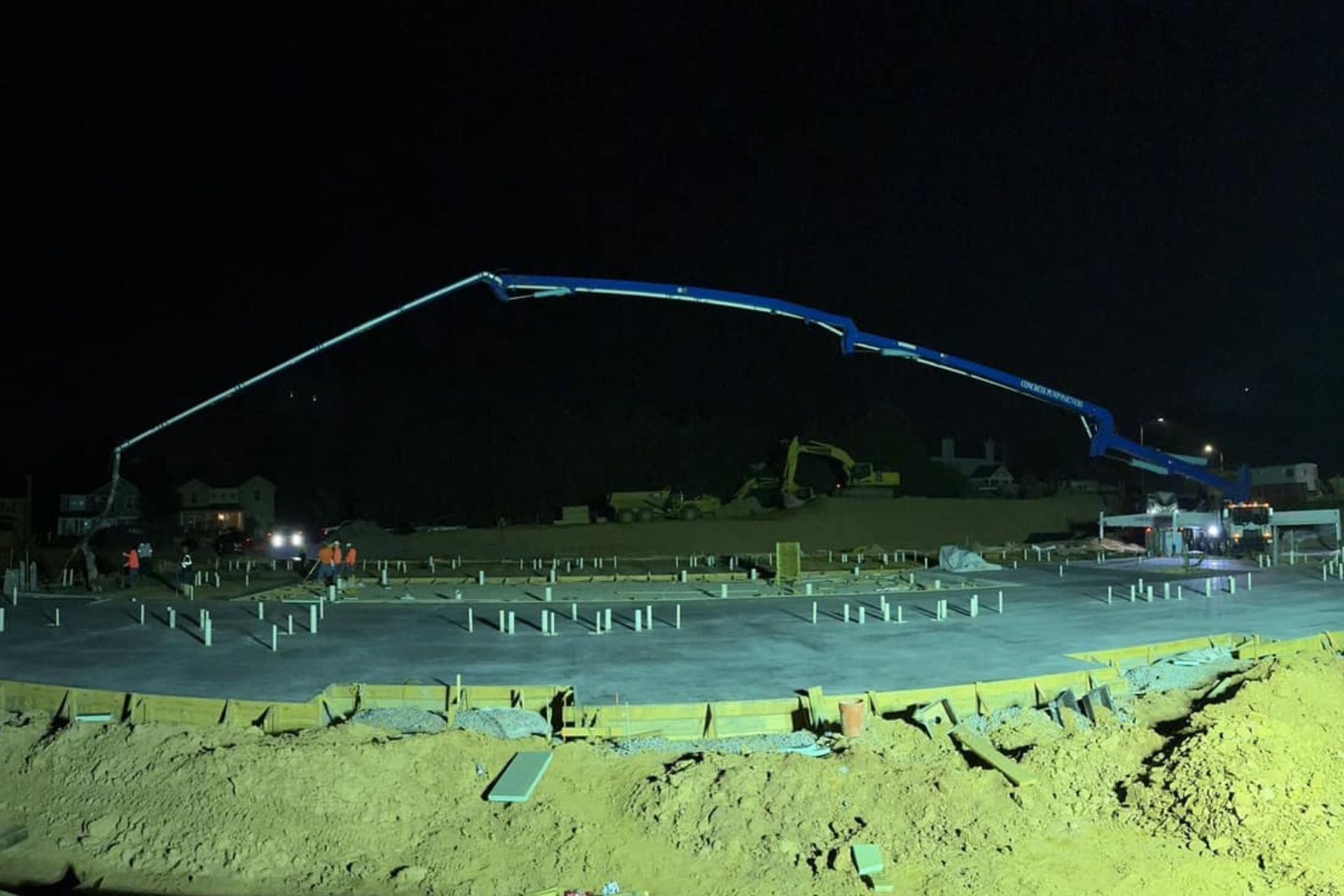
Retail centers often see heavier traffic near the holidays, making fall a good time to address visible concrete issues and access concerns.

A strong commercial concrete partner helps general contractors manage field coordination, sequencing, quality control, and communication.

Equipment pads and service-area slabs need proper sizing, placement, and base preparation to support day-to-day commercial operations.

Curbs and gutters do more than define parking areas; they help direct water and organize traffic throughout a commercial property.